Walk any Winnipeg block in February and you can tell who owns a hot tub. The breath fog is thicker over those yards, the shovel lines are fierce and tidy near a path that ends at a steaming square, and someone inside is pretending minus 28 isn’t real. Here, a hot tub isn’t a frivolous toy, it’s a survival tactic that doubles as a social hub. The trick is choosing one that can handle our freeze-thaw cycles, our clay soil that likes to heave, and our power bills that loom like a goalie in the crease.
I’ve soaked in, serviced, and schlepped more tubs than I care to admit, from arthritic cedar barrels to slick acrylic rigs with more lights than Portage and Main at rush hour. The 10 models below have proven themselves in yards around the city and just outside the Perimeter. Some are compact, some built for the whole hockey team, and a few punch above their price tag. I’ll explain why each earns a spot, what to watch for, and who should actually buy it.
Before we climb in, a Winnipeg reality check: whatever tub you pick, buy a proper winter cover, budget for a pad that won’t heave like a sourdough starter, and don’t cheap out on insulation. If you’re scouring “Hot tubs for sale” listings or typing “Hot tubs store near me” on your phone, keep those three rules at the top of your notes.
What matters in Winnipeg, specifically
We get four loud seasons. That means insulation quality isn’t just about comfort, it’s about whether your pump has to work like a draft horse to hold 103. Full-foam systems tend to win on energy savings and pipe stability in deep cold, but they complicate leak repairs. Perimeter insulation gives techs room to work but can bleed heat if the cabinet isn’t tight. Pick your poison, or pick a brand that threads the needle.
Covers are the next hill to die on. A 5 to 3 inch tapered foam cover with a dense vapor barrier slows heat loss and discourages snow load sag. In reality, I’ve seen more heat loss through cheap covers than through the sides of a decent tub. Filters matter, too. Tri-X style reusable filters survive our iron-heavy water better than paper alone, and a salt system behaves differently here because source water chemistry swings between neighborhoods.
Finally, service. You don’t want to hunt parts mid blizzard. If the manufacturer has a dependable dealer network in Winnipeg and parts sitting on a shelf on Lagimodiere or St. James, that’s worth hundreds of dollars over the life of the tub. That’s where searching “Winnipeg Hot Tubs” is smart: you’ll find the shops that actually answer phones when it’s minus 35 and your GFCI trips.
Model 1: The cold-proof compact that actually fits a small yard
For tight St. Boniface lots or those River Heights nooks where you sneaked in a 6 by 8 pad, you want a three-person footprint with proper jets, not a lukewarm teacup. Look for a 78 to 84 inch square with a deep therapy seat, a lounger that doesn’t float you out, and about 30 to 40 well-placed jets.
I like a compact model that uses full-foam insulation, a 4 kW heater, and a quiet circulation pump. In real use, these run roughly 18 to 28 dollars a month in shoulder seasons and 35 to 55 in deep winter if you keep it around 102 and open it three or four nights a week. The key seating test is simple: if you and a partner can switch between the corner seat and lounger without calf wrestling, the ergonomics are good. If your feet keep shoving off and you float, move on.
Another tip: compact tubs amplify noise. A cabinet that rattles is a long-term neighbor problem. Ask the store to run the pumps on the floor model. If the sound level reminds you of a box fan on low, you’re fine. If it whines, that noise will bounce off your fence all winter.
Best for: two adults, plus the odd guest, who want strong hydrotherapy and low power draw without backyard sprawl.
Model 2: The social square, five to six seats and no lounger
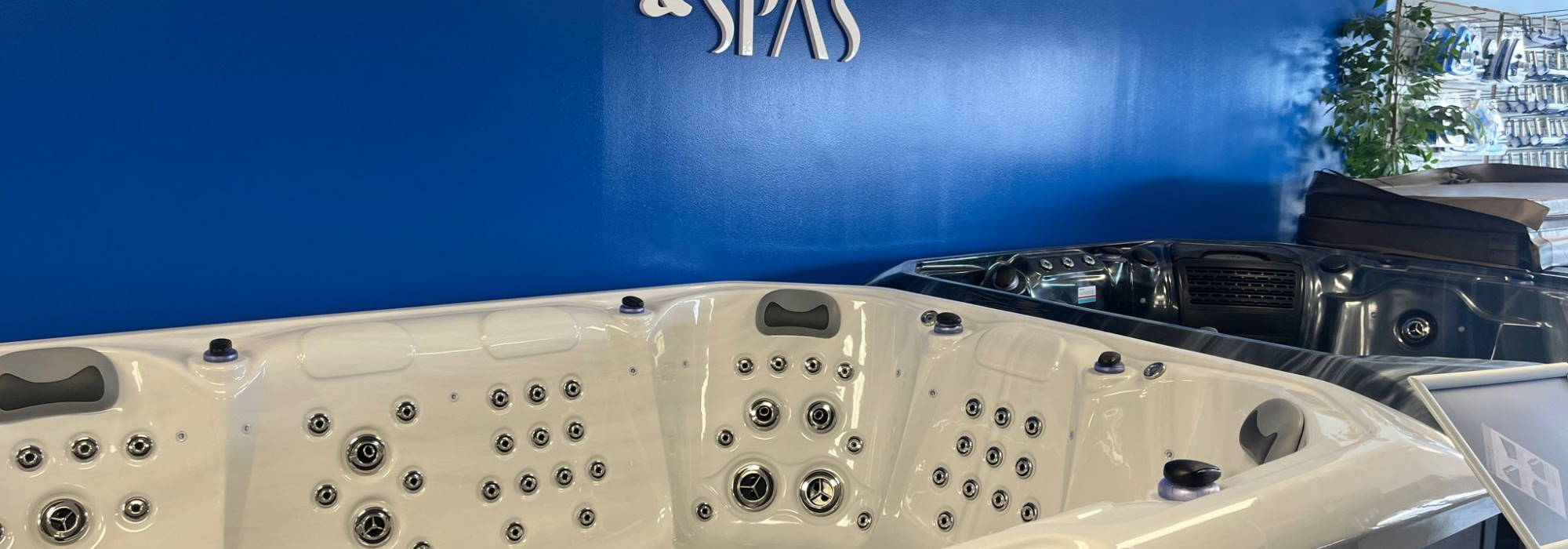
If your yard hosts firepit nights and the tub is the backup plan when the wind shifts, skip the lounger. More butt space beats the chaise. A classic 84 to 90 inch square with an open footwell gets six adults in without knee fencing. I look for dual pump setups that split zones so half the tub can run hard while the other half simmers.
On these, jet count likes to inflate price. Don’t chase 60 jets if 40 well-placed jets hit the major muscle groups. A neck and shoulder collar seat with downward jets earns its keep after driveway shoveling. Foot dome jets help, but skip them if you hate tripping on hardware entering the tub.
These models often claim “party lighting” and waterfalls. The light show loses its novelty after three uses, but a gentle LED glow is useful for winter safety. As for waterfalls, the wide sheet style cools the water faster in January when you least want evaporative cooling. If you must, look for a narrow spout you can shut off completely.
Best for: families and hosts who want everyone in eye contact, not two people hidden in loungers staring at the ceiling.
Model 3: The deep therapy lounger that doesn’t eject you
Loungers are divisive. They look luxurious, but many push your hips up and your shoulders out once the air mixes in. A good lounger cradles your calves and holds your hamstrings with a small ridge to keep you grounded. It puts spinner jets at your lower back, not your kidneys, and keeps air valves within easy reach near the shoulder.
A model worth buying uses a pump channel that allows high pressure without turning you into a cork. I’ve found that loungers set at a slight angle, not flat, work better for different body sizes. If you’re under 5 foot 6 or over 6 foot 2, test in-store with the pumps on. In Winnipeg, you want that test on a cold day so you feel how quickly your chest cools above water. A good design tucks your shoulders far enough in that you stay warm even when the wind sneaks under the gazebo.
Best for: solo soakers and anyone with lower back or calf tension who genuinely uses a reclined position.
Model 4: The budget warrior that won’t fold at minus 30
Let’s talk honest budgets. You can find hot tubs for sale under five grand, but at that tier you’re trading insulation, service, and sometimes electrical safety. The budget model that deserves a look usually comes from a brand that builds higher tiers and trickles down some tech. You want a rotomolded shell, not glossy acrylic, since it handles seasonal movement better and can take a knock without spider cracking.
These tubs often run a single two-speed pump and a smaller heater, typically 1 to 2 kW on 120 volts or 4 kW on 240 volts. If you can, wire it 240. Your heat recovery time will halve, which matters when you sit under the stars for an hour in January. Expect fewer jets and simpler seats, but the water is hot, the cover locks tight, and the cabinet doesn’t sway if you lean on it. I’ve run these in city yards and rural sheds, and while they lack the luxury feel, they start every morning without complaint.
Best for: first-time buyers, rental cabins, and anyone who’d rather spend on a proper pad and hardtop steps than on mood lighting.
Model 5: The high-efficiency showpiece, for owners who watch their hydro bill
When customers whisper about their winter bill, it’s rarely the heater’s fault alone. Heat escapes through lids and leaks, not just through elements. The high-efficiency model that earns its stripes in Winnipeg uses dense full-foam, a tight equipment bay, and a lid with extra vapor barrier wrap. Many tout app control, but I care more about smart filtration cycles and a true 24-hour circulation pump that sips power.
In real conditions, a well-insulated 7 by 7 tub can run 25 to 40 percent cheaper year over year compared to a loose cabinet sibling. That looks like 40 to 60 dollars a month through winter instead of 70 to 90 for comparable water temps and usage. Over five years, with our rates, that’s enough to pay for a better cover and a set of steps with a handrail. These models also hold temperature when the lid is open, which sounds silly, but if you tub for 45 minutes in wind, you’ll notice.
Best for: year-round daily users and anyone who hates giving money to heat the sky.
Model 6: The swim-spa hybrid for families with athletes and sore shoulders
You don’t need a mansion to want a swim spa, but you need realism. A 12 to 14 foot model can fit along a garage wall or at the back of a Transcona yard if you plan access and crane logistics. The trick is current quality. Paddlewheels are smooth but costly, multi-jet systems vary from tolerable to chaotic. For amateur swimmers and kids, a three-jet array with speed control is usually enough. For serious stroke work, look at models with a wide, even flow so you don’t get bounced like a bobber.
Winter use demands a thick cover and ideally a cover lifter system that a single person can manage in heavy snow. You will open only what you can move at minus 20. Energy use is higher, but not crazy if the shell is well insulated and you keep it covered. Plan on a subpanel, a full concrete pad, and clear snow management around the long sides. Swim spas are incredible shoulder therapy tools when set to a gentle push, which helps justify the footprint.
Best for: kids who never tire, runners who need low-impact days, and homeowners who want exercise without driving to Pan Am Pool.
Model 7: The plug-and-play that actually makes sense
“Plug-and-play” should mean you can roll it into a corner, fill it with a garden hose, and use a standard 120 volt outlet. Often it means tepid water and endless patience. There are exceptions. I’ve worked with a few 13 to 18 jet models that heat overnight, hold 100 to 102 well, and recover in a reasonable window if you keep the lid down between sessions.
The difference is small but decisive: thicker cabinet insulation, a cover that seals properly at the hinge, and a pump that doesn’t run hot. If you plan to convert to 240 later, pick a unit with a convertible control pack. The frame should be resin or treated wood that shrugs at moisture. Expect to baby the water chemistry more carefully, since smaller bodies of water swing faster. Keep the hose and a sump pump handy when you drain for winter maintenance.
Best for: renters with cooperative landlords, basement walkouts, and anyone testing the lifestyle before committing to a 50 amp line.
Model 8: The family-proof, kid-climbable fortress
Kids will use the cabinet as a climbing wall. Dogs will investigate. Hockey bags will lean where they shouldn’t. The family-proof model uses a rigid pan base so mice can’t move in, screw-and-glue cabinet panels, and steps with a handrail that don’t ice up like a rink. Look for a textured tread you can chip clean with a plastic shovel.
Inside, rounded edges and a big, open footwell matter more than fancy corners. You want at least two levels of seating so shorter guests can keep shoulders under water. For water care, a hybrid system with UV or ozone reduces how often you smell like a public pool, but do not believe anyone who says you can skip sanitizer. In our climate, a little chlorine or bromine saves winter Saturdays.
This is the category where cover lifters pay back every effort. Get one with gas shocks that keeps the lid upright and acts as a windbreak. I’ve watched teenagers catch a light breeze with a loose cover and nearly launch it into the neighbor’s lilac. A good lifter prevents those stories.
Best for: families who default to chaos, and hosts whose guests never listen when told to “go slow on the steps.”
Model 9: The therapy-first tub for backs, knees, and post-shovel soreness
Hydrotherapy is not the same as bubbly fun. A therapy-first model puts money into pump pressure, precision jets, and ergonomics. The best seat usually has a jet cluster around L4 to L5, adjustable lower calf jets, and a neck cradle with smaller, less aggressive jets so you can sit for 20 minutes without numbness. Air mix control should be at hand, not across the tub.
If you have knee issues, test the seat height on dry land. Can you sit and stand without hauling on the lip? In winter boots, that motion gets tricky. I prefer models with a mid-height cool-down seat near the entry, where you can perch, remove ice from your sandals, then slip in safely. A well-designed therapy tub lets one person run a strong massage while another sits in quieter water, which saves arguments.
Water temperature stability matters as much as the jets. If it drops three degrees while you soak, your muscles will tell on you the next morning. Look for a unit with a responsive heater and insulated plumbing lines that don’t bleed heat before it gets where it needs to go.
Best for: homeowners who shovel their own driveway and want to keep doing it in their 60s.
Model 10: The four-season entertainer with smart controls you’ll actually use
Most app features read like a wish list until you live with them. The batch I recommend lets you set vacation modes, push a filter cycle if you had a big night, and nudge temp before you leave the office. It also logs error codes so a service tech in Winnipeg can diagnose before driving across town in a storm. Smart doesn’t mean flashy, it means fewer “why is it cold” moments.
The entertainer model earns its name with consistent water circulation during heavy use and a shell layout that keeps conversations flowing. You want sound that doesn’t distort at low volume, so if you’re keen on built-in audio, listen to it at a whisper to see if it hisses. Cupholders that drain, cabinet corners that shrug off a bump, and a step ledge around the inside so people can shift seats without kneeing someone in the thigh, those small details turn a tub night from good to great.
Best for: the host who sets out towels like a hotel and still enjoys a solo soak on Tuesday at 9.
Installation realities most brochures skip
No matter which tub you choose, the install can make or break your first winter. Winnipeg’s soil heaves. I’ve seen paver pads turn into funhouse floors by spring. A 4 inch reinforced concrete slab with rebar or mesh, set on compacted base, is the gold standard. If you must use patio stones, compact the base with a plate tamper and lay the whole pad as one, not as a scatter of squares. Check level on all corners and the center before the crane leaves.
Electrical work is straightforward when you plan it. A dedicated GFCI-protected circuit sized to the tub’s specs, in weather-rated conduit, placed where you can reach the shutoff without tiptoeing through drifts, will pay you back in convenience and safety. Keep the subpanel accessible. Your future self will thank you on a cold Sunday when a squirrel decides to test your patience.
Snow management is a bigger deal than it sounds. Shovel paths wide enough for two feet in boots, not ballerina toes. Store a plastic scoop shovel near the steps, never metal against the shell. If you use ice melt, pick a pet-safe, concrete-friendly product and rinse residue off the pad after storms. It will end up in your water otherwise.
Ventilation is crucial if you build an enclosure. A clear roof or pergola controls snow dumps but traps steam. Use a vent or a gap high on the leeward side so moist air escapes. I’ve seen cedar ceilings turn blotchy in a single winter when steam had nowhere to go.
Water care tuned for prairie water
Our tap water changes character by neighborhood. Some homes draw hard water that laughs at calcium reducers, others carry iron that stains filters. Start with a simple baseline: test strip readings for alkalinity, pH, and sanitizer, then verify with a drop kit once a month. Keep alkalinity in the 80 to 120 range and pH around 7.4 to 7.6 so your heater doesn’t scale. Scale in a heater is like fur in a furnace filter, performance plummets.
Ozone or UV helps oxidize organics, but it doesn’t replace sanitizer. For bromine users, a floater is easy but can overfeed in small tubs. For chlorine, a small daily dose after use keeps the water sparkling and avoids the “I forgot for a week” swamp. Drain and refill every 3 to 4 months for standard use, or sooner if you host a winter hot tub party and everyone brings sunscreen in December, which happens more than you’d think.
The filter schedule that works in Winnipeg winters is modest but steady. Rinse weekly, deep clean monthly. Keep a spare set so one can dry while the other runs. A dry filter performs better after a deep clean. If you use a salt system, expect to replace cells roughly every 1 to 3 years depending on use and balance. Salt feels great on skin, but the chemistry still needs babysitting.
Where to buy, and why dealer support beats a bargain on a truck
I like a good deal as much as anyone, and there are legitimate discounts when last year’s floor model needs a home. But factor service readiness into your price. A local dealer who has a tech at the ready, a van full of common parts, and a person at the counter who knows your model’s firmware version, that’s real value. When you search “Winnipeg Hot Tubs” or “Hot tubs store near me,” look for shops that post service hours, not just sales banners.
Ask pointed questions. What’s your average response time in January? Do you stock heaters and control boards for this model? Can I see the underside of the floor model so I know the base isn’t flimsy cardboard? Good dealers will show you. Shaky ones will change the subject.
If you’re tempted by private sellers listing hot tubs for sale, do your homework. Check shell integrity, run pumps on high, confirm heater function over at least 15 to 20 minutes, and inspect for cabinet rot. Plan for a new cover and fresh filters at minimum. The move itself can cost more than the tub if access is tight, so measure gates, clearances, and overhead lines. In winter, book a crew with sleds and patience.
Two quick, high-impact checklists before you buy and before you soak
- Backyard readiness checklist: Level, solid base planned or poured, with drainage away from the pad Dedicated electrical circuit and GFCI location mapped within code distance Snow removal path designed, with storage for shovel and handrail-friendly steps Hose access for fills and a sump pump plan for winter drains Cover lifter clearance checked, including fence, rails, and pergola beams First-week ownership routine: Balance alkalinity and pH on day one before dialing sanitizer Set filtration cycles to match use, then adjust after a week of observation Rinse filters on day three to remove initial manufacturing dust and debris Practice removing and replacing the cover in gloves, not bare hands Save the dealer’s service number in your phone and register the warranty
Matching people to tubs, not tubs to brochures
Choosing from the 10 models above isn’t about who has the prettiest waterfall photo. It’s about the rhythms of your home. If the tub will be a quiet nightly ritual for two, a compact therapy-first lounger beats a seven-seater you never fill. Hop over to this website If weekends bring a mix of kids, cousins, and neighbors, the open-seating social square wins every time. If someone in the house is rehabbing a knee or back, lean into jets that target those zones and seats that make entry and exit painless.
You also need to picture the coldest nights. Will you cross the yard happily, or will you glance out, see the snow drift, and decide the couch wins? A well-lit path, a handrail, and a lifter that pivots the cover without wrestling turn “maybe later” into “see you outside.” That matters more than any Bluetooth speaker.
A Winnipeg year in the life of your tub
September smells like fresh water and optimism. You balance, you tinker, the leaves start to drop. By early November, you’ve got the winter routine. You soak while the breath fog curls under the gazebo, then you step onto a dry mat you placed like a pro. January tests everything. Power dips remind you why you asked for a reliable service network. The tub holds 102, you stay out longer than planned, then one of you remembers the cover lock. March brings meltwater, grit, and the urge to drain and refresh on the first warm Saturday. You do, and the tub feels brand new again.
By July, you bump the temp down to 98 for night soaks. Friends think you’re extravagant until the mosquitoes come. You toss the lid open, slip into the water, and they hover over everyone else. In August, you catch yourself already plotting the winter path. That’s when you know the tub is part of your house now, not a toy.
Final thoughts from a yard full of footprints
The right hot tub for a Winnipeg backyard earns its keep when it’s cold enough to make your eyelashes crisp. It stays hot, it doesn’t whine, the cover lifts without drama, and when something hiccups, your dealer answers the phone. The 10 models I’ve described aren’t about brand tribalism, they’re about how certain designs behave in our climate. If you try them with those priorities in mind, you’ll buy well.
If you’re already browsing hot tubs for sale, take a notepad to a few showrooms and sit in everything. Dry tests teach you more than spec sheets. Ask to hear the pumps, ask to see under the cabinet, ask how they handle service calls in January. The best Winnipeg Hot Tubs are the ones you can count on when winter tries to talk you out of joy. Choose for the way you live, prep your yard like you mean it, and the rest of the year will take care of itself.